Professionals in this field should follow strong HVAC service practices and stay alert for common threats.
Technician safety should be a top priority for anybody working in the HVAC industry, from firm owners to individual field technicians, to reduce the risk of serious injuries and financial losses.
Because of this, we have compiled the highest safety standards for HVAC systems and identified the HVAC safety dangers that cause the most harm.
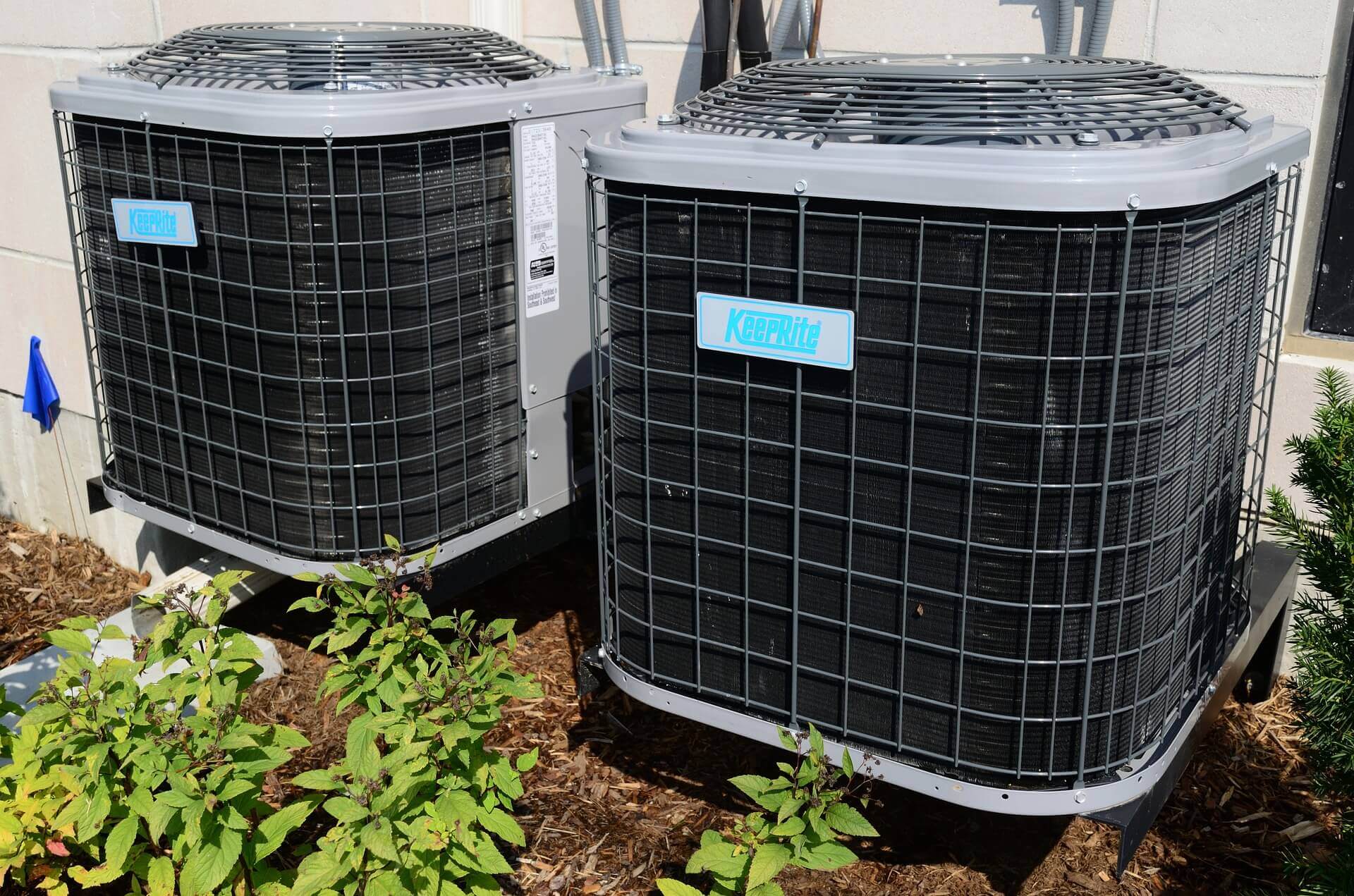
Important Safety Information for HVAC Professionals
Always Use Proper Protective Equipment
Wearing the right protective gear is your first line of defense on the job. It might feel bulky at first, but the gear shields you from daily HVAC hazards, from chemical burns to electrical shocks. The goal is coming home safe every day.
Hands, skin and the rest of the body can be shielded from burning, chemicals and other dangers by wearing protective garments. Technicians in the heating, ventilation and air conditioning industry must take precautions to avoid harming themselves.
If a technician is going to be working in an area with low-hanging beams or potential falling debris, he or she must wear a hard helmet. Hard helmets are required in workplaces where there is a risk of serious head trauma from the accidental dropping of heavy objects.
One of the most important items of safety equipment for HVAC professionals are shoes with good slip resistance. When water seeps onto the floor, it may be very slippery. Technicians could suffer serious injury if they slipped and fell without slip-resistant shoes.
Heavy objects can cause serious injury to the feet; work boots are sometimes necessary for protection. In order to be safe in any circumstance, you should always have the right shoes on hand.
Technicians should always use protective face shields while handling potentially harmful chemicals and liquids. When dealing with hazardous air pollution, respiratory protection devices should also be worn.
Whenever using potentially dangerously noisy machinery, earplugs should be worn. Protecting one’s eyes from particles in the air is a common concern, and safety glasses are just one more way to do just that.
You Only Have To Know When To Use What Tool.
A skilled HVAC technician’s toolbox needs the right instrument for each task. Clamp meters support electrical diagnostics, and a vacuum gauge checks system integrity. Mastering those tools makes you more effective and keeps you and the systems you work on safer.
There is always the risk of a leak for HVAC technicians. Keep a leak detector on hand.
Know when and how to use these measures so the people you serve stay safe. Choosing the wrong tool or using it incorrectly can harm you, the property and other people in the area.
Always check the state of your tools before using them, and keep them in excellent operating order while you go about your day. A tool’s effectiveness and longevity depend on regular checks for wear and tear and repairs.
To provide a risk-free workplace environment as an HVAC professional, consistently follow proper equipment safety procedures.
Know How to Spot Dangers
Take a step back and analyze your surroundings before diving forward into any new work. Understand working conditions, potential hazards and necessary repairs before beginning work.
Beginners in the HVAC industry should take additional time to assess their surroundings before acting.
Taking precautions and doing a task thoroughly is always preferable than rushing through it and risking injury or worsening the condition of your hands.
If you will be dealing with a lot of electrical equipment, you should probably get some additional training in electrical safety. Included in this education must be the means by which to aid others in times of need.
If the job does not provide electrical safety training, seek it out independently.
Take Precautions to Prevent Shock
Electrical safety is non-negotiable in our line of work. With the frequent need to handle live wires and complex electrical components, learn how to reduce the risk of shock. That keeps you able to do the job effectively and safely every time.
When fixing a water leak in an HVAC system, you raise your risk of receiving an electric shock. Equipment failure and electrical shock are both possible results of water dripping onto electric elements inside the system.
For your own safety, you should switch off the main fuse box breaker before working on a system that contains water. Avoiding electrocution and extending the life of expensive machinery is a win-win.
It’s Best To Avoid Quick Fixes
While it’s tempting to look for shortcuts, especially under tight deadlines, the truth is that quick fixes can lead to long-term problems. Sticking to the tried-and-true methods gets the job done correctly and protects your reputation as a technician who values quality and safety over speed.
An unexpectedly lengthy chore may arise from time to time. However, shortcuts almost always end badly.
Because of the potential dangers of dealing with electricity, chemicals and high temperatures, an HVAC technician must always take their time and do their best to avoid accidents. There may be pressure to hurry through a repair, but you should always put safety first.
Regardless of how straightforward a task may appear, it is always best to complete it in the prescribed manner and avoid cutting corners. Remember that thoroughness is an asset in each job you take on for the remainder of your working life.
Please Continue Your Training And Don’t Stop
You’ll get to a point in your career when you want to do things your own way rather than according to the precise parameters you were taught in training, and that is a normal stage in the work.
Obviously, time and practice will make you more efficient and capable. However, you and your coworkers will be safest if you always use the procedures and protocols you learned in training.
You must follow all local ordinances and construction requirements to ensure the safety of the building and its occupants.
To keep your HVAC knowledge current and fresh, it is also important to enroll in continuing education. Maintaining your employability and keeping your skills current is facilitated through continuous education.
Chemical Safety
Remember that chemical exposure is rather common and that you should be aware of them. When not used properly, common household items like cleaning solutions, detergents, solvents and even refrigerants can be extremely dangerous to one’s health.
Some substances have the potential to detonate, putting people in harm’s way.
Remember to always use safety equipment, especially gloves, while working with potentially harmful chemicals. When storing or transporting chemicals, follow all applicable safety protocols and handle the substances with care.
If you’re a rookie HVAC technician and don’t know a lot about the most common chemicals used in HVAC systems, you need to take extra care.
Before you handle, transport or store a chemical, it’s preferable to know exactly what you’re up against by consulting an experienced HVAC professional.
New HVAC technicians should be made aware of any potential dangers during their induction and subsequent classroom or on-the-job training.
You should familiarize yourself with the most important safety rules for new technicians in the HVAC system sector.
Prioritizing Risk Avoidance
Be sure to check for typical HVAC safety risks at each location as well. Slippery surfaces, fall hazards and electrical hazards are generally able to be remedied before work begins.
Technicians should always put their own well-being first when working in the field. Do not attempt to cut corners. If you have safety knowledge or training gaps, discuss them with your supervisor so you can fill them. You can start regular HVAC safety training at any point in your career.
Take precautions before doing any work around heating and cooling equipment. Put on safety gear, take stock, remember that it is summer and know your chemistry.
With time, practice and the assistance of your superiors, coworkers and the resources available to you, including this article, you will become proficient in all of these areas.
Keeping Field Work Safe
Prioritizing safety means following regulations and giving every HVAC technician protection they can rely on. Wear the right gear and use tools correctly. Those habits create a safer, more efficient work environment for you and the people you serve.
Always check the state of your tools before using them, and keep them in excellent operating order. An HVAC technician must always take their time and do their best to avoid accidents. Remember that thoroughness is an asset in each job you take on for the remainder of your working life. Maintaining your employability and keeping your skills current is facilitated through continuous education. Technicians should always put their own well-being first when working in the field.
It’s never too late to begin regular HVAC safety training. Take precautions before doing any work around heating and cooling equipment. Slippery surfaces, fall hazards and electrical hazards can be remedied before work begins.
Content Summary:
- Professionals in this field should follow strong HVAC service practices and stay alert for common threats.
- Technician safety should be a top priority for anybody working in the HVAC industry, from firm owners to individual field technicians, to reduce the risk of serious injuries and financial losses.
- Because of this, we have compiled the highest safety standards for HVAC systems and identified the HVAC safety dangers that cause the most harm.
- There is logic behind the necessity of wearing protective gear.
- Though uncomfortable, this equipment is required for the task at hand.
- This equipment protects HVAC workers, who face a number of typical risks on the job.
- Hands, skin and the rest of the body can be shielded from burning, chemicals and other dangers by wearing protective garments.
- Technicians in the heating, ventilation and air conditioning industry must take precautions to avoid harming themselves.
- If a technician is going to be working in an area with low-hanging beams or potential falling debris, he or she must wear a hard helmet.
- Hard helmets are required in workplaces where there is a risk of serious head trauma from the accidental dropping of heavy objects.
- One of the most important items of safety equipment for HVAC professionals are shoes with good slip resistance.
- When water seeps into the floor, it may be very slippery.
- Technicians could suffer serious injury if they slipped and fell without slip-resistant shoes.
- Heavy objects can cause serious injury to the feet; work boots are sometimes necessary for protection.
- In order to be safe in any circumstance, you should always have the right shoes on hand.
- Technicians should always use protective face shields while handling potentially harmful chemicals and liquids.
- When dealing with hazardous air pollution, respiratory protection devices should also be worn.
- Whenever using potentially dangerously noisy machinery, earplugs should be worn.
- Protecting one’s eyes from particles in the air is a common concern, and safety glasses are just one more way to do just that.
- You will know exactly what you need to do any task as a competent HVAC technician.
- Know when and how to use these measures so the people you serve stay safe.
- It’s possible to do more harm than good by choosing the wrong tool for the job or using it incorrectly, including danger to yourself, the property and other people in the area.
- Always check the state of your tools before using them, and keep them in excellent operating order while you go about your day.
- A tool’s effectiveness and longevity depend on regular checks for wear and tear and repairs.
- To provide a risk-free workplace environment as an HVAC professional, consistently follow proper equipment safety procedures.
- Take a step back and analyze your surroundings before diving forward into any new work.
- Understand working conditions, potential hazards and necessary repairs before beginning work.
- Beginners in the HVAC industry should take additional time to assess their surroundings before acting.
- If you will be dealing with a lot of electrical equipment, you should probably get some additional training in electrical safety.
- Included in this education must be the means by which to aid others in times of need.
- If the job does not provide electrical safety training, seek it out independently.
- As a technician in the heating, ventilation and air conditioning industry, you will frequently be required to work with electrical equipment and should thus take the appropriate safety measures to avoid electrocution and shock.
- When fixing a water leak in an HVAC system, you raise your risk of receiving an electric shock.
- Equipment failure and electrical shock are both possible results of water dripping onto electric elements inside the system.
- For your own safety, you should switch off the main fuse box breaker before working on a system that contains water.
- Avoiding electrocution and extending the life of expensive machinery is a win-win.
- Fixes Maintaining your tools, donning protective clothing and keeping an eye on your surroundings are all vital, but they’ll be for naught if you’re always tempted by the promise of a faster route.
- Because of the potential dangers of dealing with electricity, chemicals and high temperatures, an HVAC technician must always take their time and do their best to avoid accidents.
- There may be pressure to hurry through a repair, but you should always put safety first.
- Regardless of how straightforward a task may appear, it is always best to complete it in the prescribed manner and avoid cutting corners.
- Remember that thoroughness is an asset in each job you take on for the remainder of your working life.
- You’ll get to a point in your career when you want to do things your own way rather than according to the precise parameters you were taught in training, and that is a normal stage in the work.
- Obviously, time and practice will make you more efficient and capable.
- However, you and your coworkers will be safest if you always use the procedures and protocols you learned in training.
- You must follow all local ordinances and construction requirements to ensure the safety of the building and its occupants.
- To keep your HVAC knowledge current and fresh, it is also important to enroll in continuing education.
- Maintaining your employability and keeping your skills current is facilitated through continuous education.
- Remember that chemical exposure is rather common and that you should be aware of them.
- When not used properly, common household items like cleaning solutions, detergents, solvents and even refrigerants can be extremely dangerous to one’s health.
- Some substances have the potential to detonate, putting people in harm’s way.
- Remember to always use safety equipment, especially gloves, while working with potentially harmful chemicals.
- When storing or transporting chemicals, follow all applicable safety protocols and handle the substances with care.
- If you’re a rookie HVAC technician and don’t know a lot about the most common chemicals used in HVAC systems, you need to take extra care.
- Before you handle, transport or store a chemical, it’s preferable to know exactly what you’re up against by consulting an experienced HVAC professional.
- New HVAC technicians should be made aware of any potential dangers during their induction and subsequent classroom or on-the-job training.
- You should familiarize yourself with the most important safety rules for new technicians in the HVAC system sector.
- Be sure to check for typical HVAC safety risks at each location as well.
- Slippery surfaces, fall hazards and electrical hazards are generally able to be remedied before work begins.
- Technicians should always put their own well-being first when working in the field.
- Do not attempt to cut corners.
- if you feel that you have certain safety knowledge or training gaps, it is important to discuss this with your supervisor so that you can fill them.
- It’s never too late to begin regular HVAC safety training.
- Take precautions before doing any work around heating and cooling equipment.
- Put on safety gear, take stock, remember that it is summer and know your chemistry.
- With time, practice and the assistance of your superiors, coworkers and the resources available to you, including this article, you will become proficient in all of these areas.
